
Religious spaces have long been viewed as places of refuge. A space for guidance, comfort, moral grounding, and community. For many people, it truly serves that purpose. It is where values are shaped, identities are nurtured, and hope is restored. But safety is not defined by intention or belief alone. Safety is defined by lived experience.
As conversations around Gender-Based Violence (GBV) continue to gain visibility, a difficult truth has emerged: silence, stigma, and fear of questioning authority can prevent victims from being heard or supported, even within spaces meant to protect them. In some cases, faith has been misused to encourage endurance over accountability, silence over justice, and forgiveness without healing.
Societies are evolving. Conversations about safety, dignity, and human rights are evolving, and these spaces that shape our values must evolve too. Creating safer religious spaces requires more than good intentions. It requires intentional leadership, clear accountability structures, the courage to address harm and not overlook it, and the willingness to listen to uncomfortable truths.
At YcDEI, we strongly believe that faith should never be used as a shield for harm. If anything, it should be the foundation for protection, dignity, justice, and care.
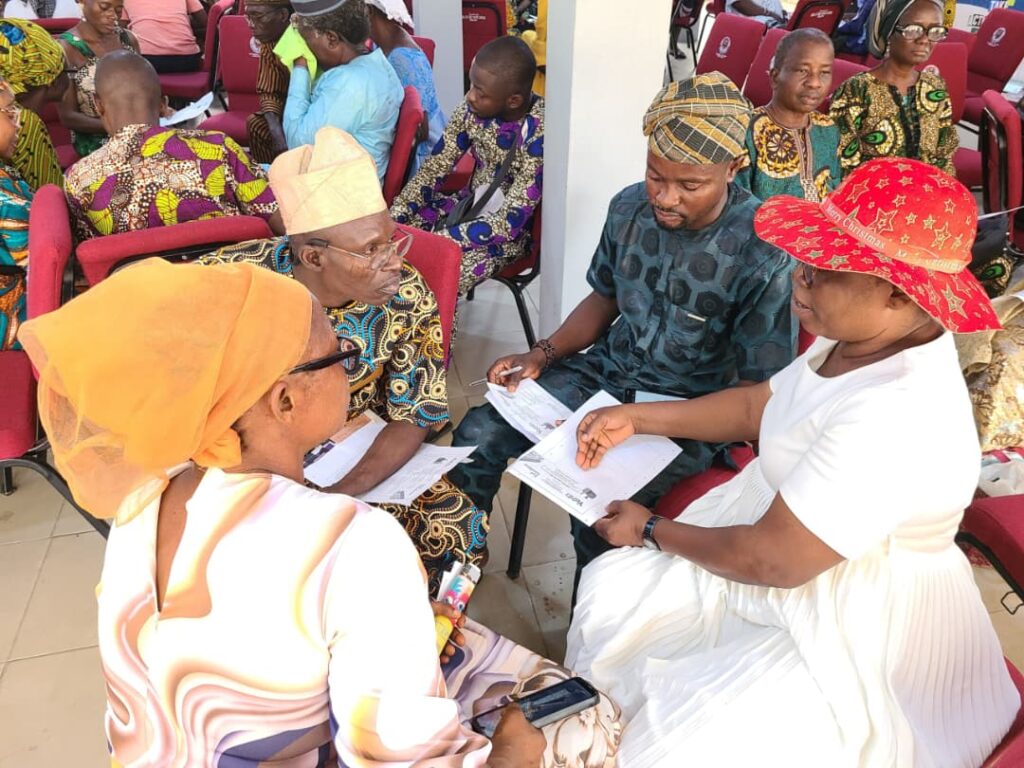
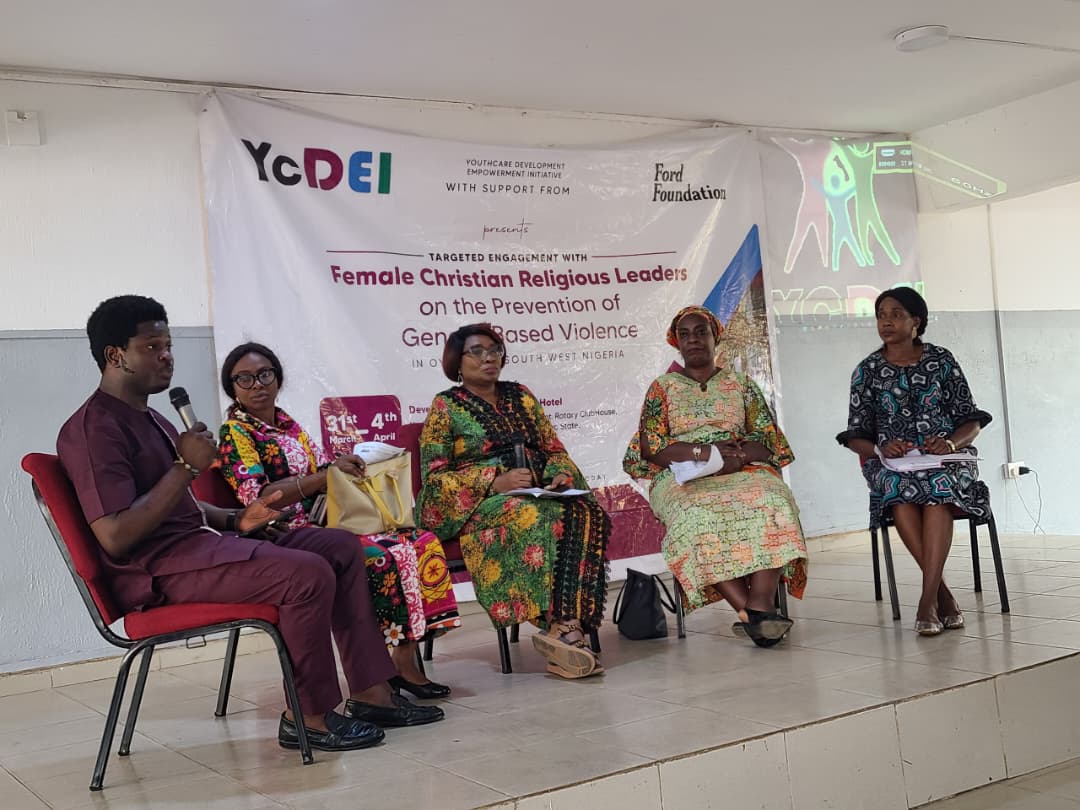
With the support of the Ford Foundation, we hosted two town hall meetings focused on the prevention of gender-based violence in religious spaces. These dialogues brought together key stakeholders, including clergy, women leaders, youth leaders, representatives from Christian religious bodies (CAN, CCN, and PFN), and officials from the Oyo State Ministry of Women Affairs. These conversations were not symbolic. They were practical, reflective, and action-driven.
One of the major outcomes of these town hall meetings is the ongoing effort to establish GBV Prevention Committee Desks within churches represented by participating leaders. If religious spaces are to remain relevant, trusted, and truly safe, they must be willing to confront harm, challenge harmful norms, and actively protect the most vulnerable.
Related Post

We are encouraged by the growing support from faith-based institutions in addressing Gender-Based Violence within religious spaces.
We had the presence of the Vice Chairman of